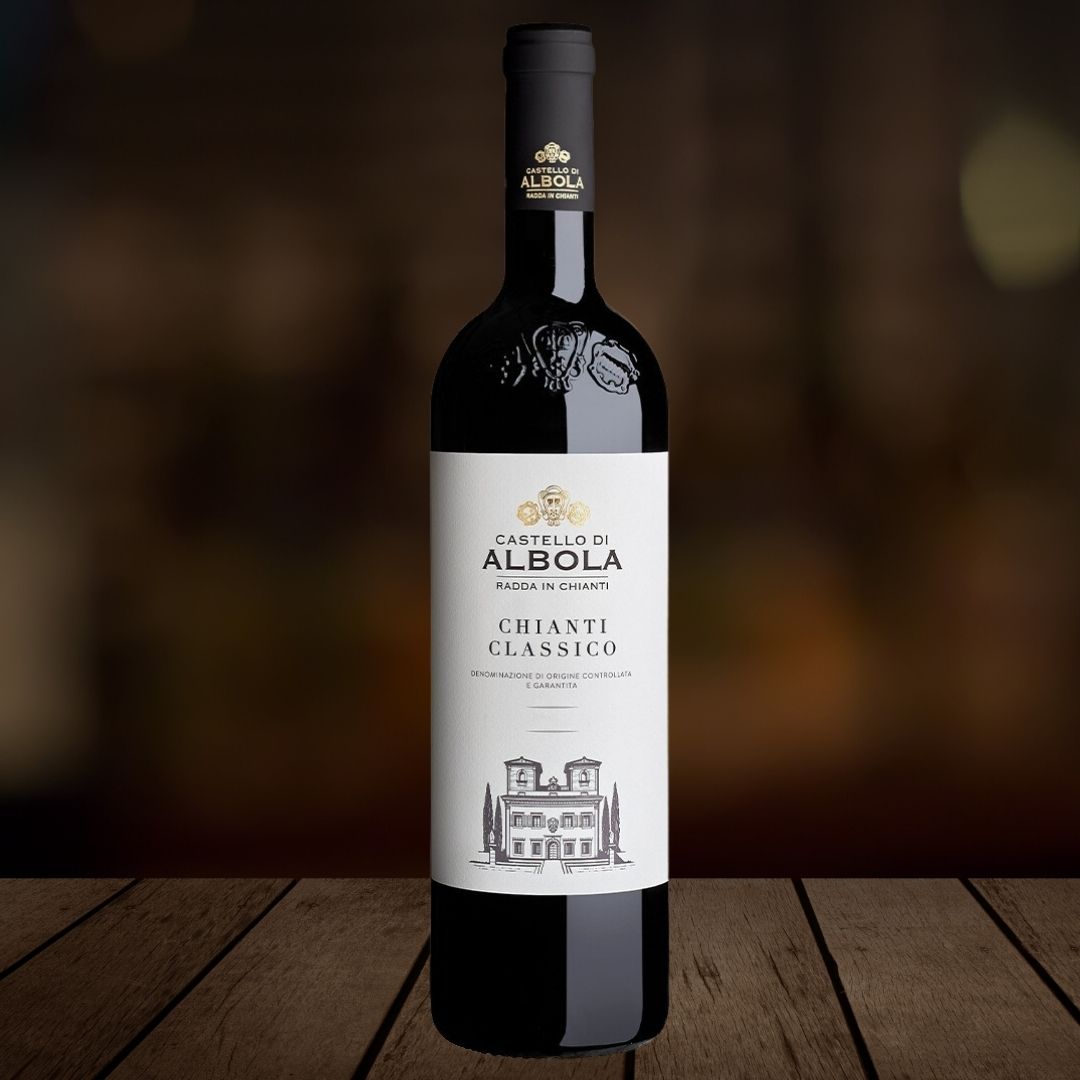
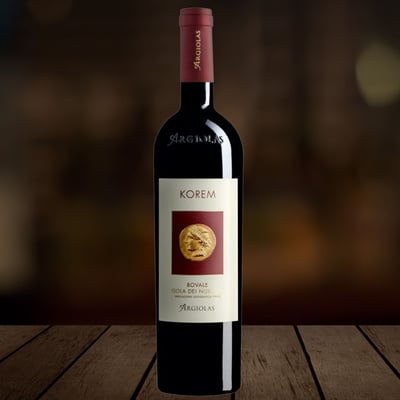
From the hills above Radda in Chianti, Castello di Albola farms some of the highest vineyards in the appellation, where Sangiovese ripens slowly and keeps its bite. The 2020 is a classico in the straight sense: pale ruby, firm, and built to sit in the glass rather than shout from it.
- Sangiovese, the grape behind Chianti Classico.
- Chianti Classico DOCG, the original zone between Florence and Siena.
- 2020, a warm vintage across Tuscany.
- 13% alcohol, high acidity, firm tannin.
- 750ml.
How it is made
Chianti Classico is a rulebook as much as a place. It must be at least 80% Sangiovese, grown inside the old League of Chianti borders, and it must spend at least twelve months in the cellar before release. The Classico zone sits higher and cooler than generic Chianti, and altitude is the whole argument: the grapes hang longer, sugar climbs slowly, and the acid stays where it started.
How it tastes
Red cherry and violet first, then the drier register: leather, tobacco, and a mineral edge that reads almost stony. Acidity is high and the tannins are firm and dusty rather than soft, which is the Sangiovese signature. Medium in body, dry, and it opens in the glass rather than sitting still.
Where it comes from
The Chianti Classico hills run between Florence and Siena, a landscape of galestro and alberese, the schist and limestone that Sangiovese roots into. Radda is one of the coolest and highest of the villages, and wines from there tend to be leaner and more savoury than those from the warmer south of the zone.
Good to know
The black rooster on a Chianti Classico label is not decoration. It is the mark of the Lega del Chianti, the old military league of the three villages, and it separates Classico from ordinary Chianti on the shelf. The DOCG was granted in 1984, but the zone itself has been drawn since the 1700s.
Contains alcohol (inferred).